
Innovative manufacturing solutions are becoming increasingly important, particularly in the medical technology sector. A current example of this is an ECG monitor from livetec Ingenieurbüro GmbH, which will be manufactured in the future as part of our contract manufacturing services using laser plastic welding.
Until now, the product has been manufactured in small batches using adhesive bonding. However, as production volumes increased, this method reached its limits. In particular, the process reliability and reproducibility of the adhesive bond, as well as the reliable sealing of the housing, posed significant challenges for a medical device. At the same time, the manufacturing process needed to be designed to be cost-effective and as automated as possible for future mass production.
Together with the livetec engineering firm, we therefore developed a new manufacturing concept based on laser plastic welding. Already during the development phase, the materials used and the component design were specifically tailored to the requirements of the welding process. Subsequently, the welding process was set up and optimized as part of the sampling phase.
The first end-customer samples were successfully manufactured and proved their worth through both a stable, reproducible process and by passing all leak tests. This laid the groundwork for the reliable mass production of the ECG monitor.
Another advantage of laser welding technology is its integrated inline quality monitoring. During the welding process, all relevant process parameters are continuously monitored and documented. Components that do not meet the defined quality requirements are immediately identified and can be directly rejected. The comprehensive process documentation also supports the high standards for quality and traceability in the medical technology industry.
This project serves as an example of how existing manufacturing methods can be replaced by modern laser welding processes. Particularly for enclosures containing sensitive electronic components, laser plastic welding enables reliable, leak-tight, and automated mass production, thereby laying the foundation for cost-effective production even as production volumes increase.
Would you like to familiarise yourself with this joining process and learn more about the theoretical principles behind it? If so, we recommend the SKZ seminar ‘Laser Welding of Plastics’, taking place from 28 to 29 October in Würzburg, Germany. It provides an overview of the fundamentals and concepts of laser welding of thermoplastics.
The event is aimed at employees in the plastics processing and chemical industries, as well as those changing careers. It focuses on the following topics:
• Laser sources for plastic welding
• Materials, colourants and additives
• Principles, applications and potential of laser through-beam welding
• Principles of laser safety and innovations
Learn all about joining plastics in small groups. A number of specialist presentations by renowned experts will provide information on this non-contact process. The training course is rounded off with a practical session at the SKZ Technical Centre.
By the end of the course, you will have a better fundamental understanding of the technology and will have expanded the possibilities for your product development. This makes the event an ideal introduction for anyone wishing to familiarise themselves with the process or to deepen their existing knowledge.
You can find more information and register here: https://www.skz.de/bildung/kurs/laserschweissen-von-kunststoffen
EVOSYS’s autumn trade fair programme is rounded off by Fakuma in Friedrichshafen, the leading German industry event for industrial plastics processing. From 12 to 16 October, we will be showcasing our extensive product portfolio there. Do come and visit us and see for yourself how effective our solutions for laser plastic welding are!
Fakuma is one of the most important international trade fairs for industrial plastics processing. It attracts exhibitors and visitors from all over the world and offers a comprehensive overview of the entire plastics value chain. The exhibition places a strong emphasis on practical applications and production processes, covering key areas such as injection moulding, extrusion, thermoforming, additive manufacturing and automation.
The trade fair is particularly well known for its hands-on atmosphere, in which live demonstrations, machinery and direct technical discussions play a central role. In addition, current industry topics such as sustainability, energy efficiency, the circular economy and digitalisation are highlighted.
EVOSYS is exhibiting in Hall A4, Stand 4306, where it will be showcasing innovative solutions for laser plastic welding: advanced systems that enable the precise, clean and reproducible joining of plastic components and meet the high demands of modern industrial production. Visitors can witness live welding demonstrations and gain insights into how laser technology can improve product quality, reduce process times and support automated manufacturing environments.
Using assemblies and product samples, we will highlight the advantages of laser welding of plastics. Our experts will be happy to advise you on which applications can be manufactured using this process in a particularly hygienic and reliable manner.
Using our transmission measuring device, we can determine the transmittance of laser beams through plastic samples. Why not bring your own material samples to the trade fair? We’d be happy to test them for you!
Come and visit us – we look forward to meeting you! Would you like to arrange an appointment with us? Do you need an entry voucher for the trade fair? If so, simply contact us by email at “einladung@evosys-laser.com”.
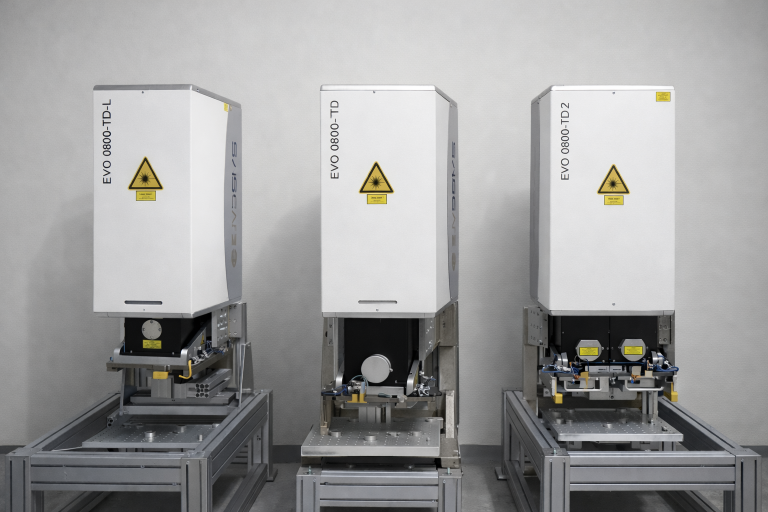
Whether as a simple stand-alone system, an integrated solution or a complex custom-built system, all EVOSYS machines are designed for use in 24/7 production and are suitable for any application environment. Thanks to our expertise, we know exactly what matters when it comes to joining plastic parts. Our team, with decades of experience in mechanical engineering and laser technology, will be happy to advise you.
Our experts are on hand to support you right from the early stages of your project. Please ask us for a personalised consultation, during which we will assess your specific requirements and suggest solutions. You can contact us by telephone on +49 9131 – 4088 – 1029 (Mr Holger Aldebert) or by email at sales@evosys-laser.com.
In September and October, you’ll find us at various trade fairs, where we’ll be showcasing our solutions for welding plastic parts. Our experts will be happy to advise you in person on the benefits and possibilities of this joining technology. We also exhibit at events around the world.
This autumn, we will be exhibiting at various trade fairs and events, both at home and abroad. Visit us there to find out more about laser beam plastic welding technology. We will be showcasing our solutions and will be happy to advise you in person on the benefits and possibilities of this process.
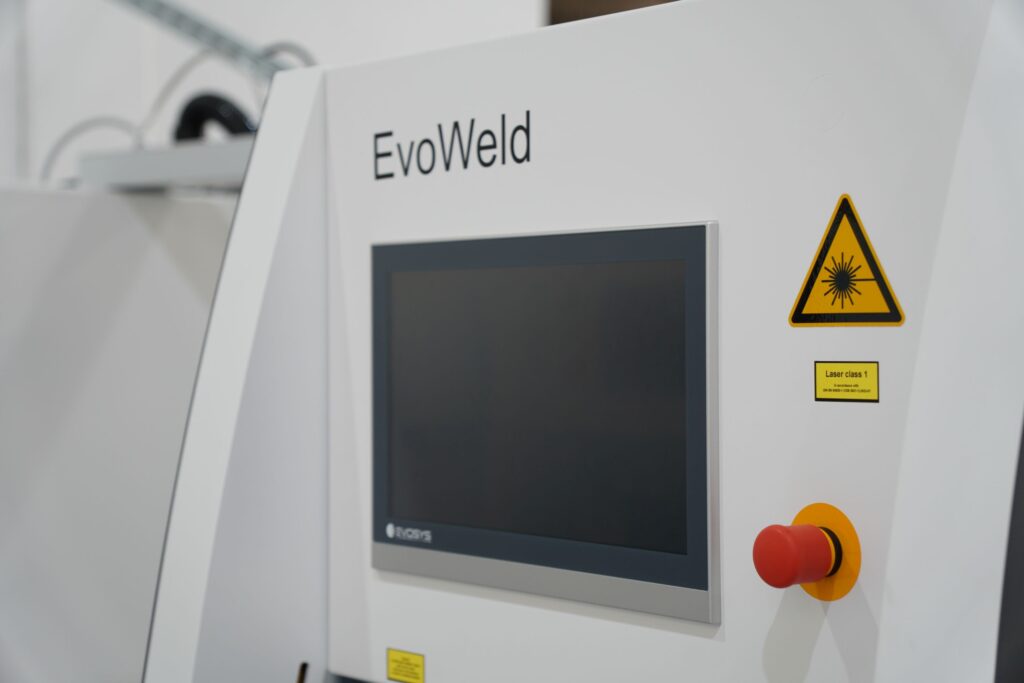
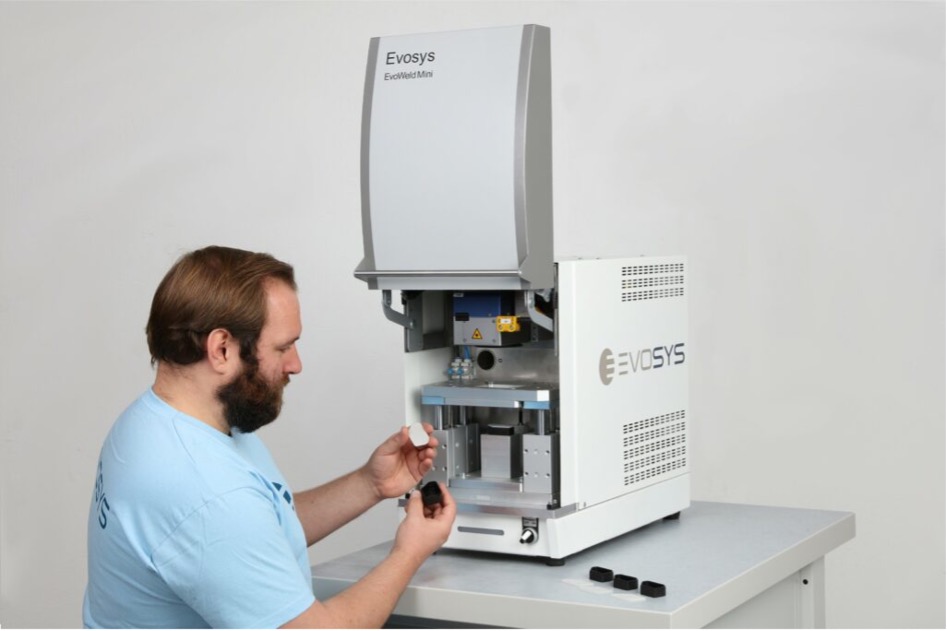
We’ll be kicking things off at KPA (Kunststofftechnik Nord), which takes place in Leipzig from 16 to 17 September. As a supplier trade fair for the plastics processing industry, it offers a platform for all matters relating to the sector. Alongside laser-welded applications, we will be showcasing our compact table-top system, the EvoWeld Mini. This enables small batches and prototypes to be joined with a high degree of process reliability. Please visit us at the KNF joint stand in Hall 2, Stand 118.7. More Information
We will also be exhibiting at LANE (the 14th CIRP Conference on Photonic Technologies – 21 to 25 September in Erlangen) with a wide range of solutions for laser plastic welding. The conference provides a forum for international exchange on photonics, laser material processing and additive manufacturing. Please visit us at Stand No. 13 in the Heinrich-Lades-Halle in Erlangen. More information
Presence abroad:
We also exhibit at ‘Laser World of Photonics India’, India’s platform for laser components, systems and applications. The event takes place in Bangalore from 16 to 18 September. The diverse range of exhibits covers all aspects of optical technologies. Come and visit us at the German Pavilion in Hall 1, Stand No. LC41 – there we will be showcasing an EvoWeld Mini, including a live welding demonstration, as well as our flexible EVO 0750 laser module. More information

At the same time, the IMTS is taking place in Chicago from 14 to 19 September, where Evosys North America Corp. will be showcasing the EvoWeld Mini and EvoInspect systems. As a major trade fair, the ‘International Manufacturing Technology Show’ brings together all industry experts in manufacturing technology. Please visit our American subsidiary at the German Pavilion in the East Building, Level 3 — #135470. More information
At all our trade fairs, we showcase our EVOSYS laser systems for flexible use in manufacturing, or demonstrate the advantages of laser welding of plastics using product samples. Our experts will be happy to advise you on which applications can be produced particularly efficiently and reliably using this process.
Using our EvoInspect devices, we can determine the light transmittance of plastic samples. Why not bring your own material samples to the trade fair? We’d be happy to test them for you!
Come and visit us – we look forward to meeting you! Would you like to arrange an appointment with us? Do you need an entry voucher for the trade fair? If so, simply contact us by email at “einladung@evosys-laser.com”.
Whether as a simple stand-alone system, an integrated solution or a complex custom-built system, all EVOSYS machines are designed for use in 24/7 production and are suitable for any application environment. Our team, with its decades of experience in mechanical engineering and laser technology, guarantees a high level of flexibility and productivity for your welding system. Thanks to our expertise, we know exactly what matters when it comes to joining plastic parts.
Our experts are on hand to support you right from the early stages of your project. Please ask us for a personalised consultation, during which we will assess your specific requirements and suggest solutions. You can contact us by telephone on +49 9131 – 4088 – 1029 (Mr Holger Aldebert) or by email at sales@evosys-laser.com.
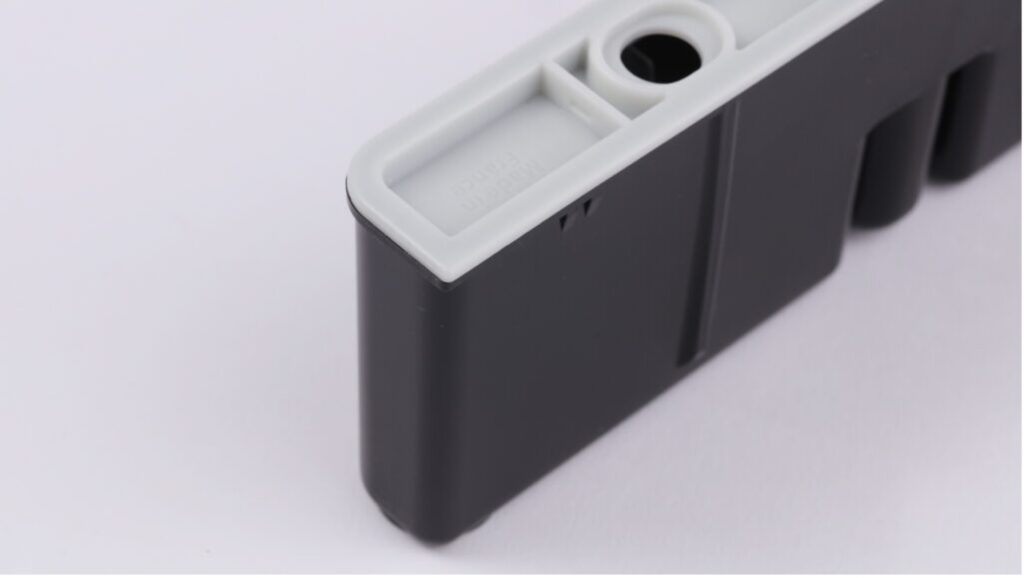
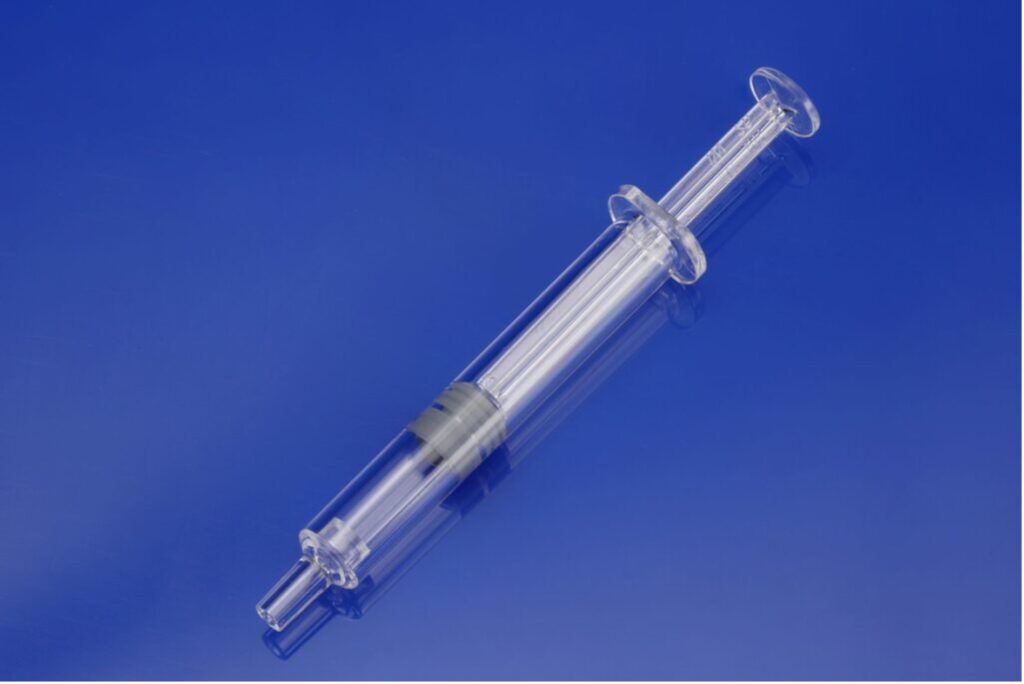
With the founding of Attosys Laser GmbH in July 2026, the Evosys Group is expanding its technology portfolio to include innovative laser-based manufacturing processes for demanding applications in micro- and macro-machining. The new subsidiary, headquartered in Erlangen, focuses in particular on glass machining and the joining of different materials.
Attosys’ range of services includes laser welding, laser structuring, laser cutting, and laser drilling. A particular focus is on the hermetic joining of glass components. This includes glass-to-glass welding, glass-to-metal welding, and glass-to-silicon welding. These processes open up a wide range of possibilities for applications in medical technology, microsystems technology, and the semiconductor industry.
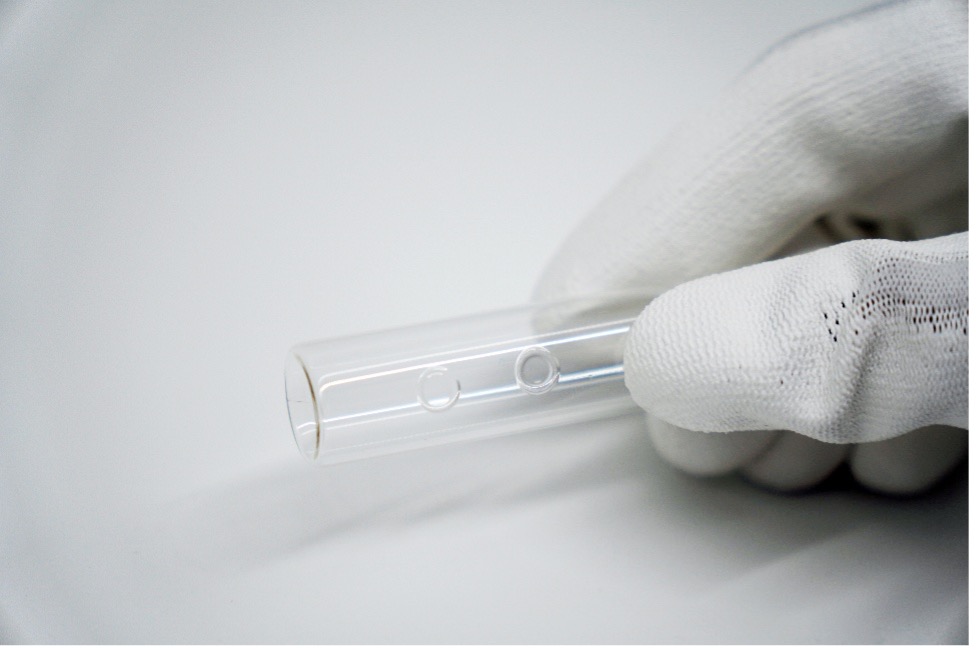
In addition, Attosys develops solutions for processing plastics as well as for cutting and structuring glass, metal, and ceramics. The processes used enable precise machining with little to no heat input. Depending on the configuration of the thermal process, it is possible, for example, to create rounded or sharp-edged holes in glass tubes. Ultra-short-pulse lasers, among other technologies, are used for processing. The combination of different laser technologies makes it possible to tailor processes specifically to different materials, component geometries, and requirements.
Technological advantages include hermetic joints, high seam strength, and minimal thermal stress on the components. This reduces thermal stresses and allows different materials to be joined together without the need for additional adhesives.
As a subsidiary of the Evosys Group, Attosys draws on more than 20 years of experience in laser technology, material processing, and custom machine building. This expertise forms the foundation for the development of specialized manufacturing solutions. Customers benefit from a comprehensive range of services, extending from process development and integration to automated production machinery.
Through collaboration with universities, technical colleges, and laser centers, Attosys also lays the groundwork for the continuous advancement of these processes. For more information on technologies, products, and applications, visit www.attosys.com
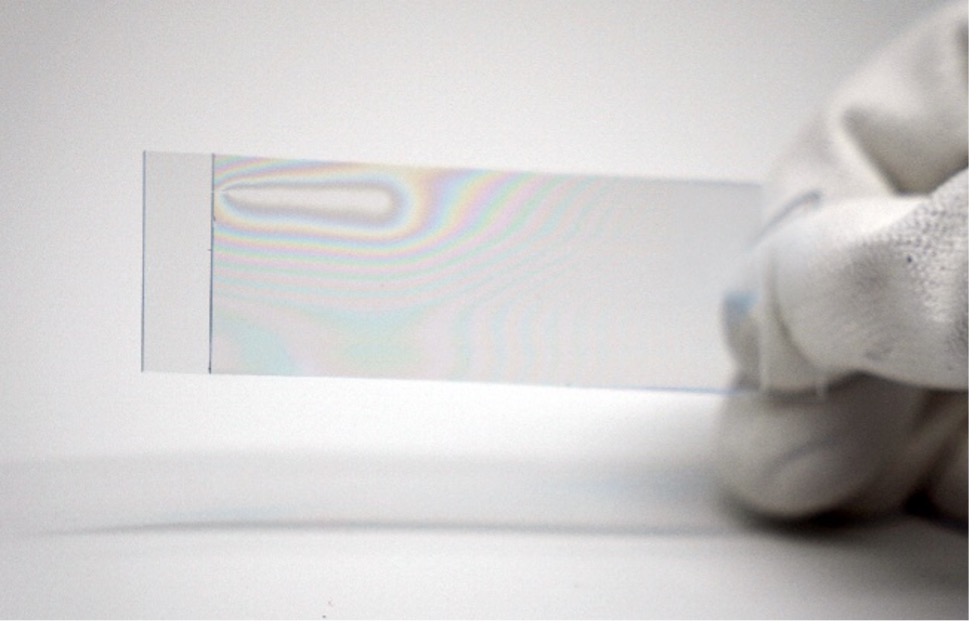
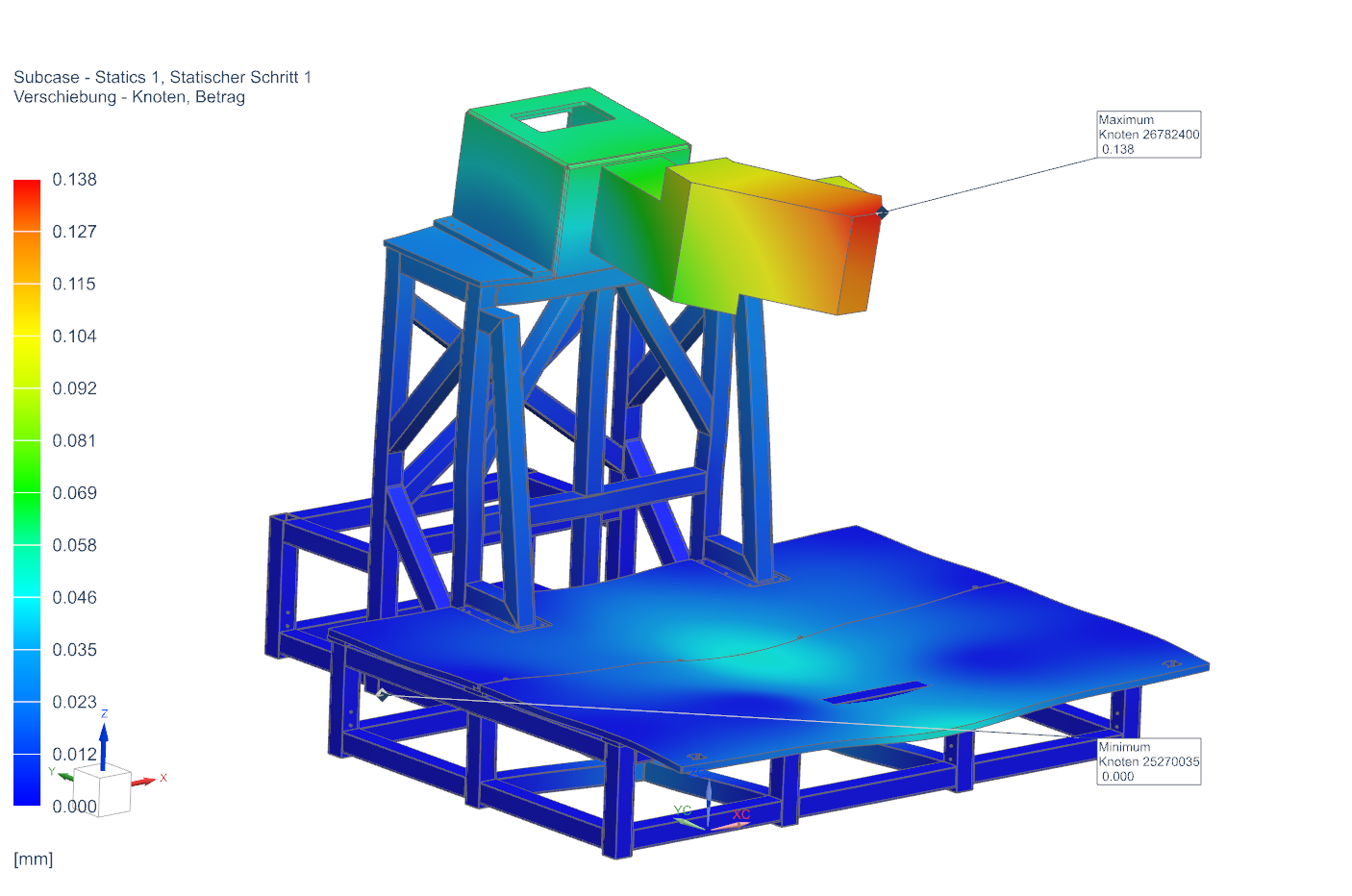
Reliable laser plastic welding starts with a robust part design. EVOSYS uses FEM analysis with Siemens NX to evaluate geometries, stress distribution and potential process risks before tooling, process parameters or production systems are finalized.
Methodological Fundamentals
NX Nastran enables a broad variety of simulations:
• Linear and nonlinear structural mechanics
• Thermal analyses
• Dynamic investigations (natural frequencies, vibration behavior)
• Fracture and durability analyses
Thanks to the integration into Siemens NX, modeling takes place directly from the CAD dataset, ensuring consistent and time-efficient calculations.
Fields of Application
FEM analysis with Siemens NX provides practical support in:
• Optimization of plastic and metal components
• Assessment of manufacturability and stability of injection molding tools
• Prediction of deformations and stresses in complex assemblies
• Integration of filling simulations in the design process
Benefits for Development
• Early detection of potential design weaknesses
• Reduction of iterations in the physical prototyping phase
• Increased product reliability and service life
• More cost-efficient design of tools and components
Practical Relevance
Our many years of experience in design and simulation enable us to apply FEM methodology efficiently in development projects. Especially in the area of plastic component design, FEM supports the evaluation of design variants and the safe dimensioning for series production.
Contact
Evosys Laser Services GmbH
Felix-Klein-Straße 75A
91058 Erlangen, Germany
Phone: +49 9131 40180-0
E-Mail: info@evosys-services.com
Web: www.evosys-services.com
This year our partner Intego GmbH is celebrating its 25th company anniversary. That means 25 years of optical inspection systems with many special solutions for a wide variety of inspection problems of our customers.
Intego GmbH started in 1999 in the premises of the Innovation and Start-up Center Erlangen, Germany. In 2008, the company moved to its current company building at Henri-Dunant-Straße 8. In 2016 a new production hall was added to the building.
Over the years, the initially small team has grown into an innovative and powerful company with currently around 65 employees in development, production and sales.
We are proud of the fact that our customized systems are used in many industrial sectors worldwide today. We can look back on many successful projects, particularly in the plastics, solar, ceramics, semiconductor and electronics industries. Our EvoInspect product family with infrared-based inspection technology was developed specifically for the laser welding process and is available not only as standalone systems, but also as individual built-in solutions for automated production lines.
We would like to take this opportunity to thank all our customers and business partners for the successful and trustful cooperation!
Laser direct joining of metals and polymers can reduce mechanical fasteners, simplify assemblies and enable new lightweight component designs. EVOSYS evaluates whether the process is suitable for the material combination, component geometry and production targets of a specific application.
Metal-plastic composites and hybrid structures are increasingly gaining in significance in many technical applications. In addition to the lightweight construction potential for the mobility sector, the simultaneous use of metallic and polymer materials in many other applications enables local tailoring of the mechanical, electrical, thermal, chemical or haptic product properties. In addition, the combination of different materials enables the use of the established forming processes and thus much greater freedom in the design than with monolithic parts. A number of joining processes are available for the production of such hybrid joints. Compared with alternative processes such as adhesive bonding, laser direct joining is characterized by short joining times and the lack of additional materials. Compared to mechanical joints using rivets or screws, there is no need for through holes for the fastening elements, which lead to reduced cross-sections and unwanted stress concentrations.
The processing principle of laser direct joining is shown in Fig. 1. The process consists of two main steps: First, a surface structuring of the metallic joining partner is carried out. This leads to an increased interaction area between the metal and plastic parts and suitable structures can create additional mechanical interlocking of the parts. In a second step, the thermoplastic joining partner is clamped to the metallic component and heated in the joining zone up to the melting temperature range. The plastic melt flows into the surface structures and can solidify there.
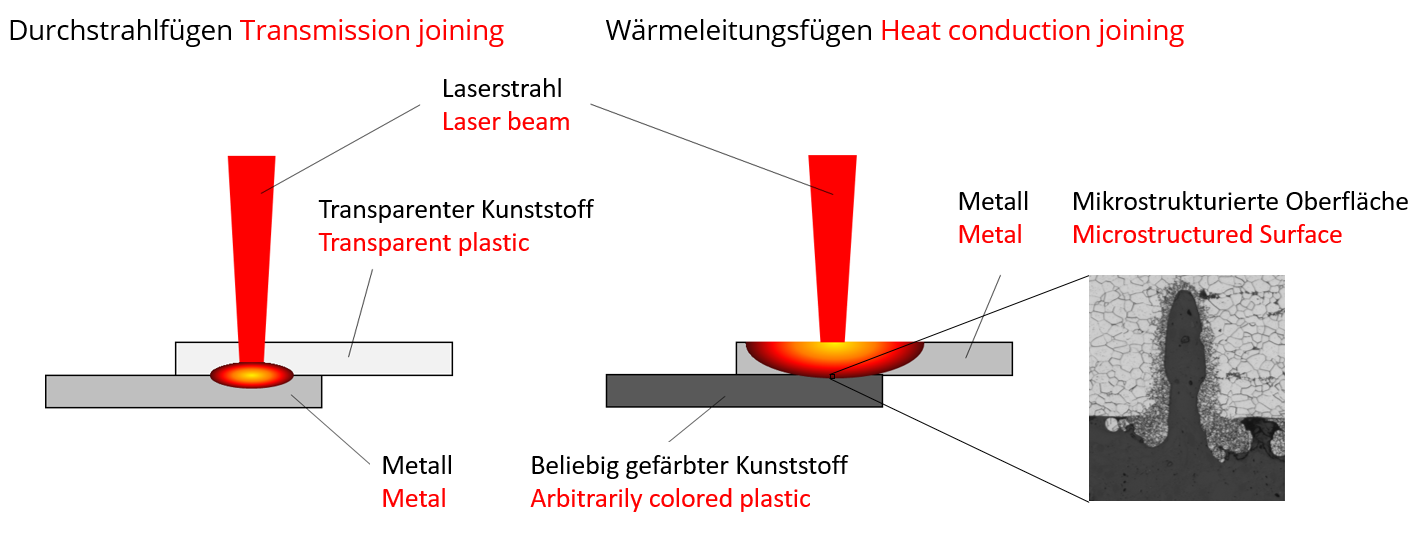
The geometry of the structures has a major influence on the resulting bond strength. In laser direct joining, both sub-processes, the surface structuring and the joining process, can be carried out using laser radiation. Due to the different requirements regarding the laser-material interaction of the two sub-processes, usually two different laser beam sources and processing stations are used.
Surface structuring
Due to the high energy density required for melting and vaporizing the metals, short-pulsed laser systems are usually used for surface structuring. Alternatively, continuous-wave laser systems can also be used in a remote cutting process for surface structuring.
Laser beam joining
Regarding the heating of the joining zone, a distinction is made between transmission joining, where the metallic surface is irradiated through the plastic component, and heat conduction joining, where the back of the metal component is irradiated and the joining zone is heated exclusively by thermal conduction. Transmission joining is limited to materials with sufficient transmission for the laser radiation. These are typically uncolored plastics reinforced only with glass fibers. Due to the direct irradiation of the joining area, a locally limited heat input can be achieved. Heat conduction joining in contrast, is independent of the optical properties of the plastic component. Compared to alternative heat sources for direct joining processes, such as infrared heating elements or induction coils, the heating can nevertheless be limited to a small area and controlled precisely.
A compact and cost-effective system technology was developed in a collaborative research project between the Nuremberg University of Applied Sciences and Evosys Laser GmbH. With this technology, the entire process chain can be realized in a single system and with only one beam source. A highly efficient structuring process was implemented with the help of the fast power modulation of a continuous wave fiber laser. Compared to pulsed systems, this laser provides a high average power at moderate cost and the same beam source can be applied for both the structuring and joining processes. In comparison to remote cutting, the dynamics in the interaction zone required for effective melt expulsion are not primarily achieved by a high scanning speed, but by the power modulation of the laser. This reduces the demands on the scanning systems and the process parameters for structuring and the resulting structure geometries can be controlled much more precisely.
Materials and Methods
With polycarbonate (Makrolon GP 099, Covestro) and polyamide 6 (PA 6 XT, Gehr), one amorphous and one semi-crystalline thermoplastic were used in this study. Due to its excellent optical properties, polycarbonate allows a direct inspection of the joining zone and any process defects can be detected without the need for destructive methods. The metallic materials used were a low-alloyed, cold-rolled forming steel (DC04, 1.0338) and a high-strength aluminum alloy (EN-AW 7075, 3.4365).
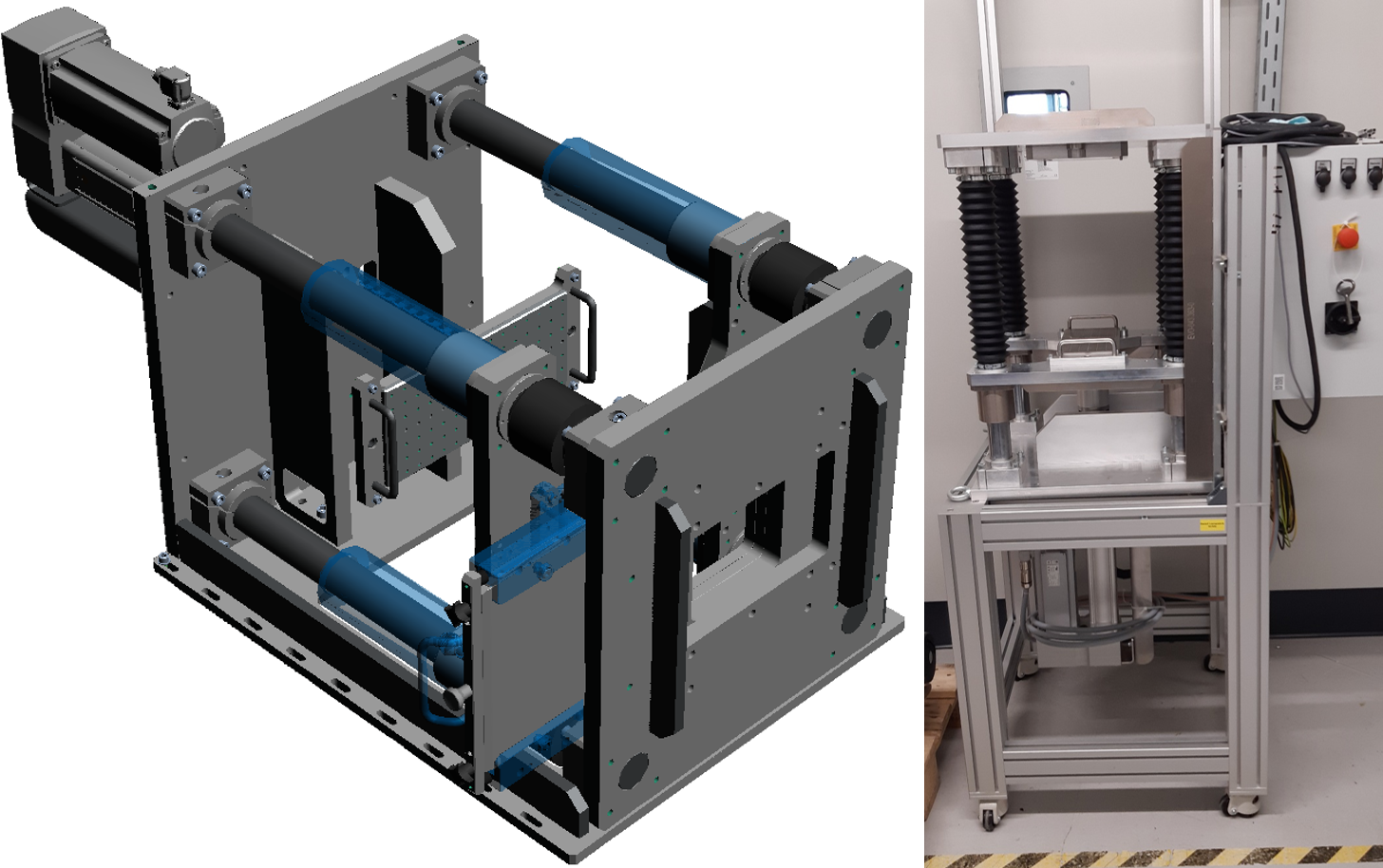
For the surface structuring and joining process, a single-mode fiber laser was applied. Additionally, an electromechanical clamping device as shown in Fig. 2 with two separate processing planes and a sliding tool insert with a glass pressure plate was developed.
By selecting suitable process parameters and varying them, it was possible to ensure uniform melting – even in the critical edge areas where uneven heating due to heat conduction in the metal component has to be compensated for.
Summary
By using a fast-modulated fiber laser, the two essential processing steps of laser direct joining, the surface structuring and the joining process, can be carried out with only a single laser beam source. This enables the construction of particularly compact and cost-effective processing stations and can thus contribute to a further spread of the process. Very good joint strengths can be achieved with the developed process. Particularly noteworthy is the highly efficient structuring process, which leads to a significant reduction in processing times.
In the coming weeks and months, we will be exhibiting at various trade fairs and events in Germany and abroad. Visit us there and find out more about the technology of laser plastic welding. We will be happy to show you solutions and advise you personally on the advantages and possibilities of the process.
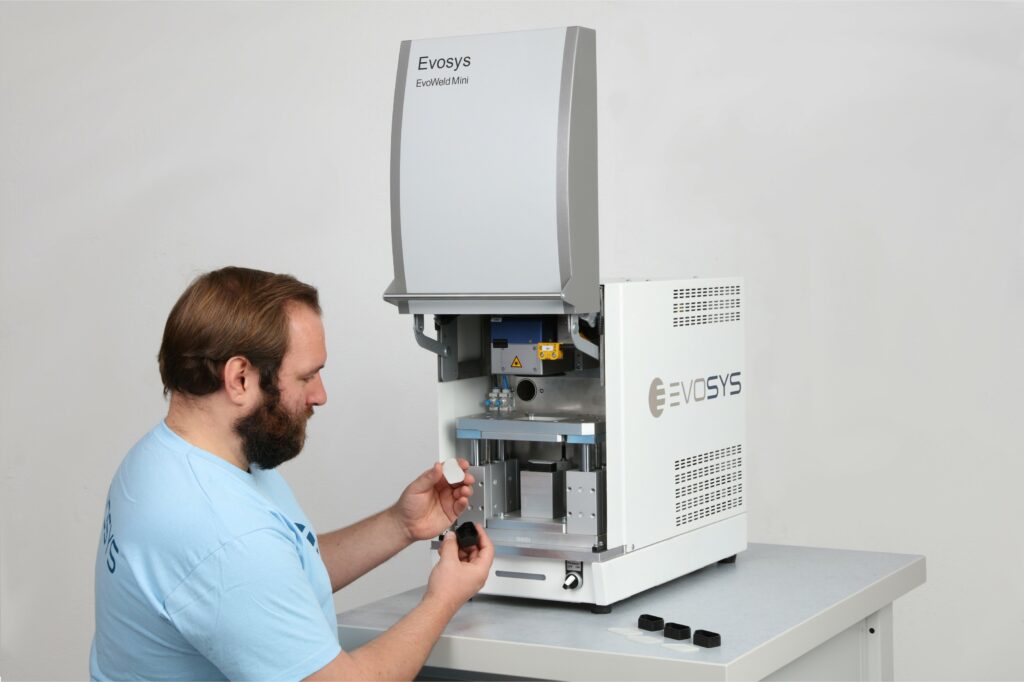
KUTENO will take place from May 14 to 16 in Rheda-Wiedenbrück, Germany. The supplier trade fair for the plastics processing industry offers a platform for all questions relating to the industry. In addition to laser-welded applications, we will be presenting our EvoWeld Mini table-top system, including a live demonstration. Components of all kinds can be joined with particular process reliability.
Visit us in hall 2B at booth 2b-C5. https://www.kuteno.de/exhibitor/evosys-laser-gmbh/

At the same time, our distributor Solectro will be exhibiting at Elmia Polymer in Jönköping, Sweden (May 14 to 17). At the Nordic region’s largest trade fair for the plastics and rubber industry, visitors will find a wide range of products for all plastics manufacturing processes. An EvoWeld Mini will also be on display here with welding demonstrations (Stand B01:26.) https://www.elmia.se/en/polymer/exhibitors-and-products/exhibitor/506908_87300

Three important dates in June:
- The Stuttgart Laser Technology Forum (SLT) will kick off from June 4 to 6 in Bad Cannstatt, Germany. We will be giving a presentation on “Laser welding of additively manufactured plastic components” and exhibiting at the accompanying trade exhibition. Come and visit us – we will also be presenting our EvoWeld Mini table-top system with live welding! https://www.ifsw.uni-stuttgart.de/en/stuttgarter-laser-technology-forum/
- At the same time, our French distributor AP-plast will be exhibiting at FiP – France Innovation Plasturgie in Lyon from June 4 to 7. An EvoWeld Mini will also be on display here and our experts will be happy to answer all your questions about joining plastic parts. Visit us at stand D22. https://www.f-i-p.com/en
- MedtecLIVE, the industry highlight for medical technology, will take place in Stuttgart from June 18 to 20. The central leading trade fair brings together all suppliers. Of course, we won’t be missing with our EvoWeld Mini and other solutions for laser plastic welding! Visit us in hall 1, booth 1-931. https://www.medteclive.com/de/p/evosys-laser-gmbh.137357
At all exhibitions, we will be presenting our EVOSYS laser systems for flexible use in production and demonstrating the advantages of laser welding of plastics using product samples. Our experts will be happy to advise you on which applications can be produced particularly efficiently and reliably using this process.
With our EvoInspect devices, we can determine the laser transmittance of plastic samples. Simply bring your own material samples to the trade fair and we will be happy to test them!
Visit us, we look forward to meeting you! Would you like to make an appointment with us? Do you need an admission voucher for the trade fair? Then simply contact us by e-mail at “einladung@evosys-laser.com”.
Whether as a simple stand-alone system, integration solution or complex special system, all EVOSYS machines are designed for use in 24/7 production and fit into any application environment. Our team, with its decades of experience in mechanical engineering and laser technology, guarantees you a high level of flexibility and productivity for your welding system. Because with our know-how, we know what is important when joining plastic parts.
Our experts will support you in the early stages of your project. Ask us for a personal consultation in which we will take up your individual concerns and show you solutions. You can reach us by telephone on +49 9131 – 4088 – 1029 (Mr. Holger Aldebert) or by e-mail at sales@evosys-laser.com.
Despite the many global uncertainties, the EVOSYS Group can once again look back on the most successful financial year in the company’s history. After consolidating the figures within the Group, it is clear that our expectations have once again been exceeded and that the future trend remains positive.
Although the conflict in Ukraine and the global economic uncertainties caused by trade restrictions and high inflation continued to dampen the mood among German companies and thus their willingness to invest, the EVOSYS Group’s innovative and cost-effective solutions were in demand. The long-term, stable trend continued in 2023. Sales increased again with double-digit growth rates and, despite extensive investments in new products and processes, personnel and the location, the bottom line was once again a good profit.
The EVOSYS Group also made an excellent start to 2024. The positive trend from the fourth quarter of 2023 remained intact at the start of the year, laying the foundation for a successful 2024 financial year. Stable and sustainable business is particularly important to EVOSYS. We are not focusing on a single major customer and quick profits, but have positioned ourselves broadly from the outset. With its solutions, the EVOSYS Group is represented in all key industries and is therefore less susceptible to fluctuations in individual sectors or markets.
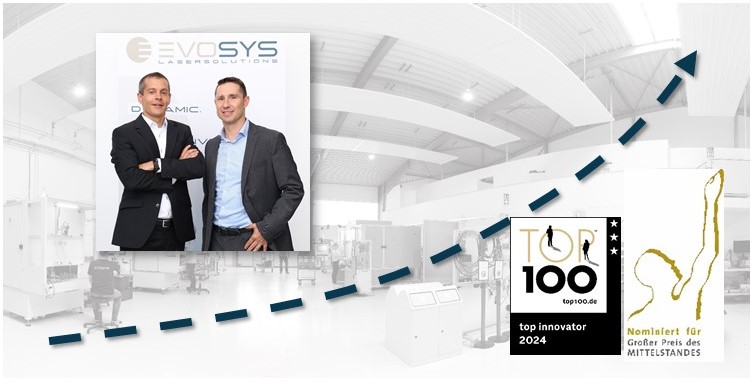
EVOSYS is also proud of its stable top rating over the last few years from its principal bank, which has been monitoring the company’s business development since it was founded and has detailed information about its economic situation. The rating has already been raised to an excellent level between 2018 and 2022, which is usually only achieved by companies that have been established on the market for a long time. We firmly believe that our good business figures will again improve the rating in 2023.
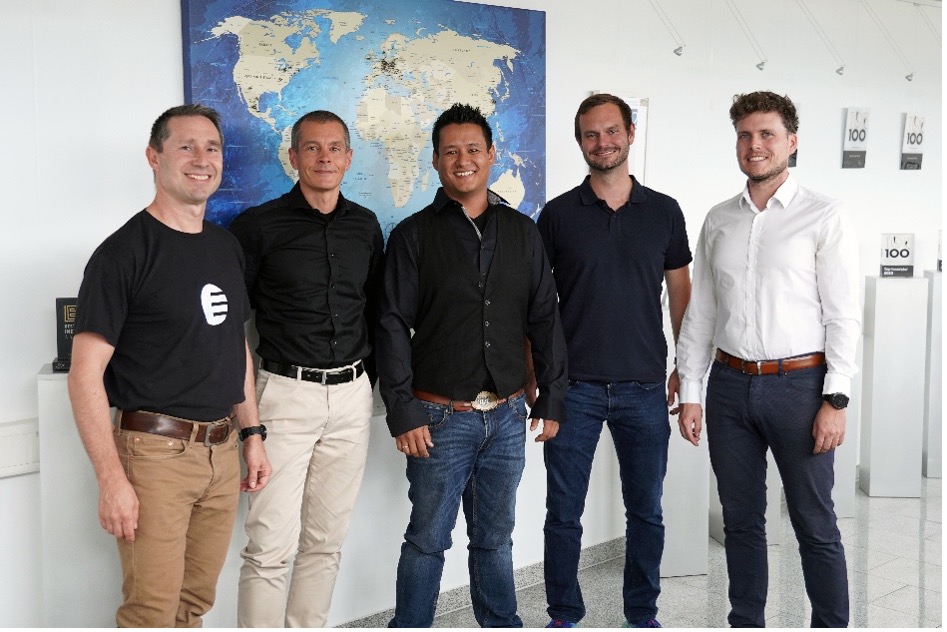
The company’s overall excellent record is also confirmed by the many high-caliber awards it has received in recent years. These include the “Bavaria’s Best 50” award as one of the fastest-growing companies in Bavaria and first place in the Bavarian Innovation Award 2022. In 2024, EVOSYS is once again one of the TOP100 innovation champions and has been nominated for the Bavarian SME Award 2024 and once again for the “Großer Preis des Mittelstandes”. EVOSYS Laser GmbH has already reached the second stage of nomination for this prestigious award, beating off competition from several thousand companies. The winners will be officially announced in the second half of 2024.
Do you have any further questions or would you like a personal meeting? Please do not hesitate to contact us on +49 9131 – 4088 – 1050.